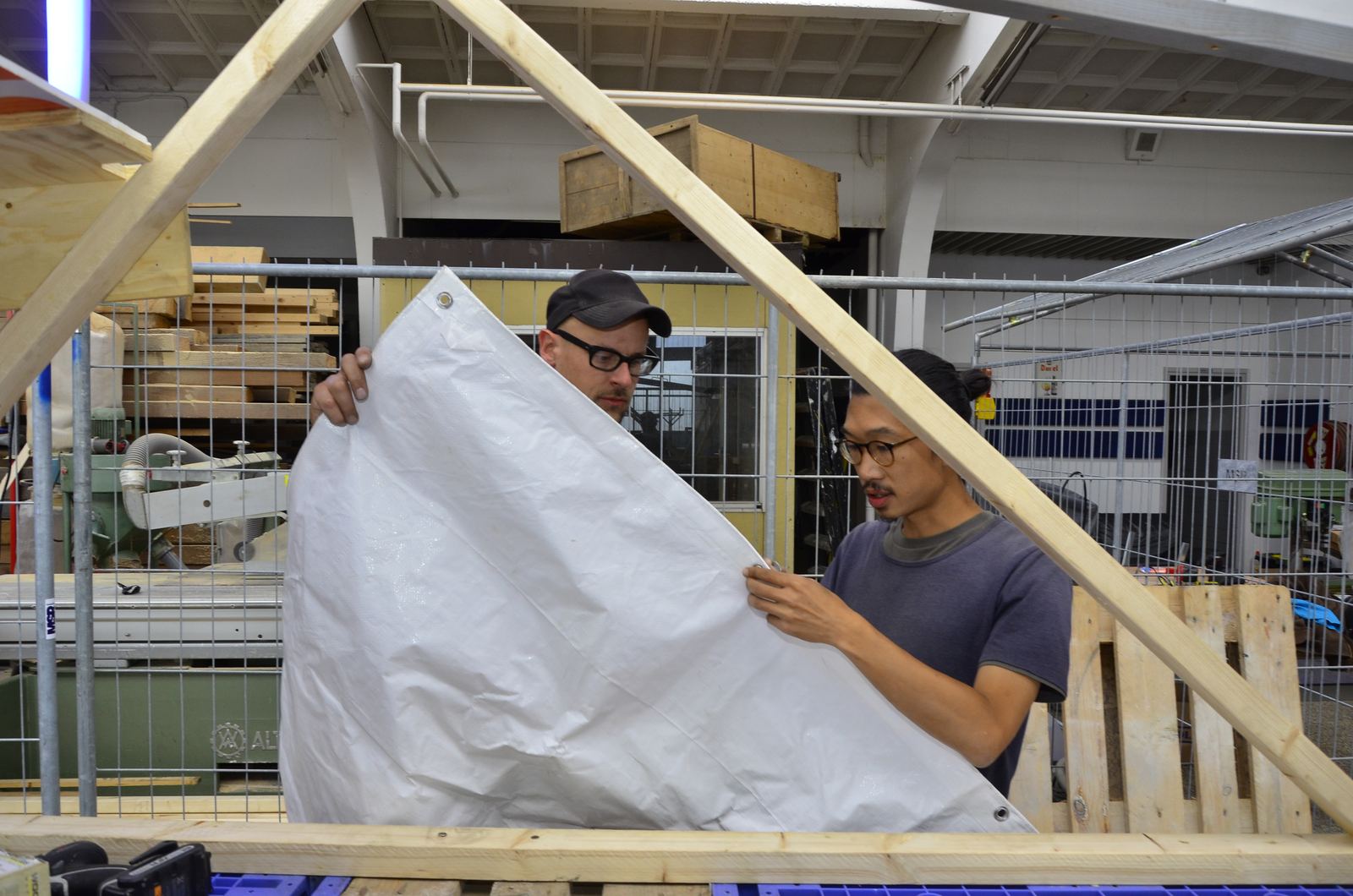













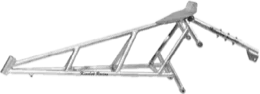











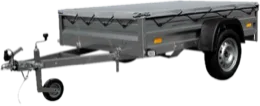
























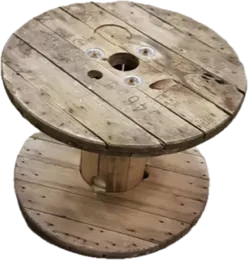
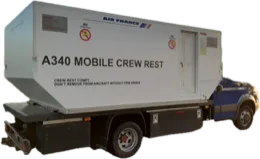



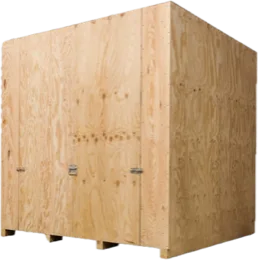


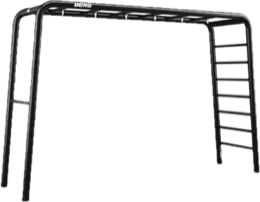
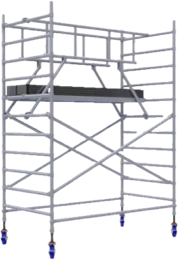





















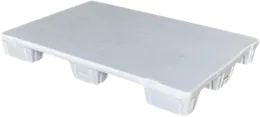













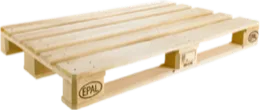









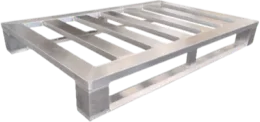






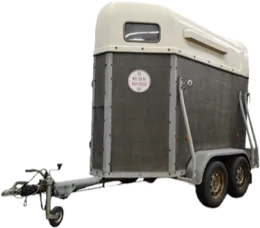


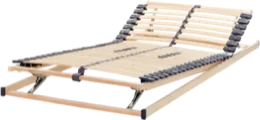

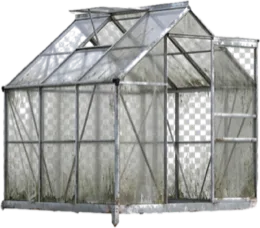







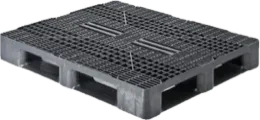









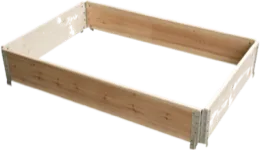






















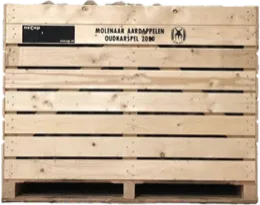




















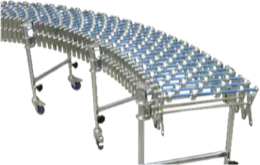
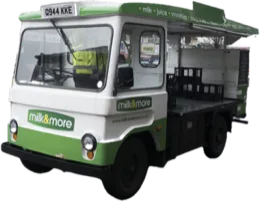
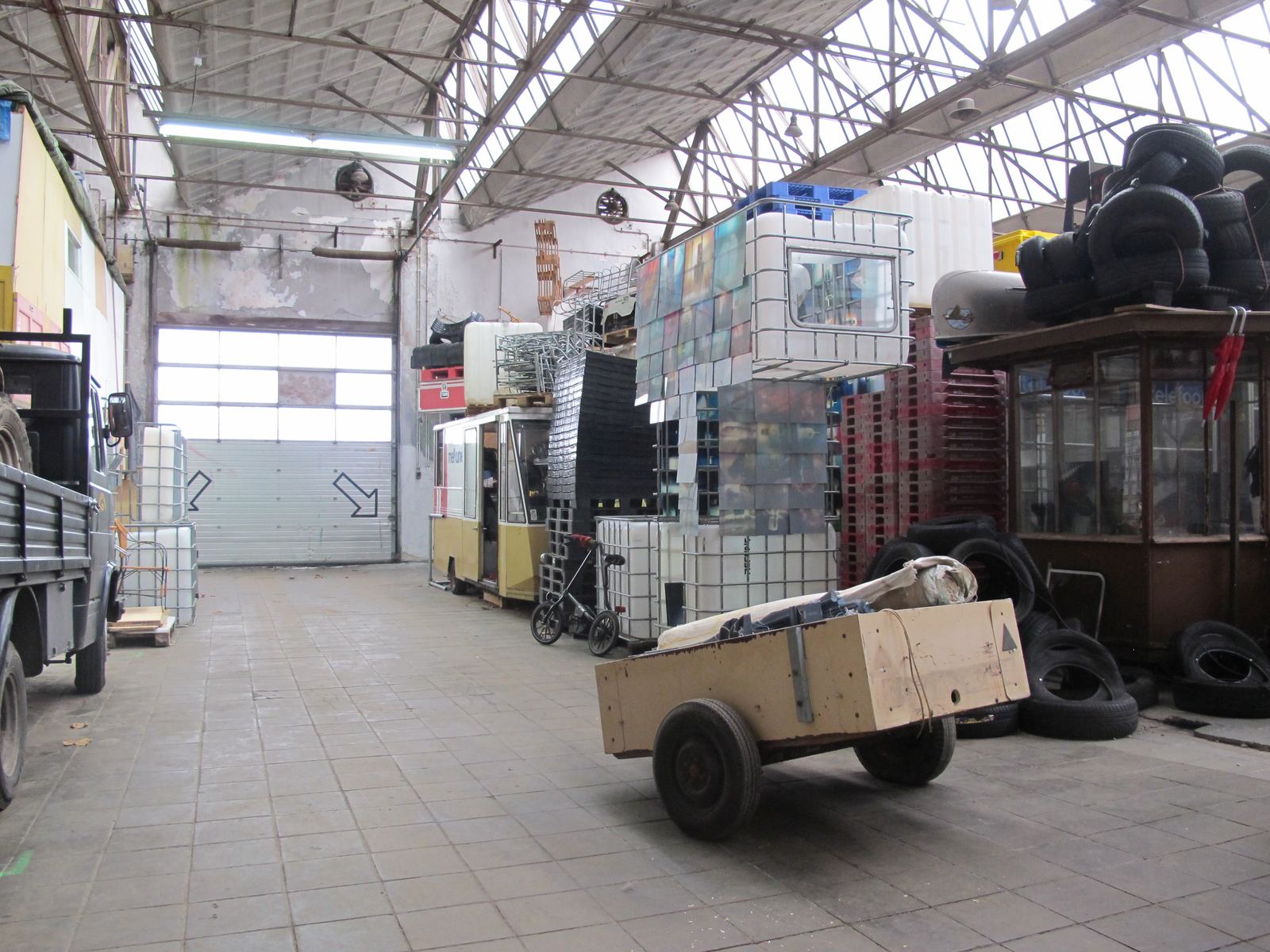
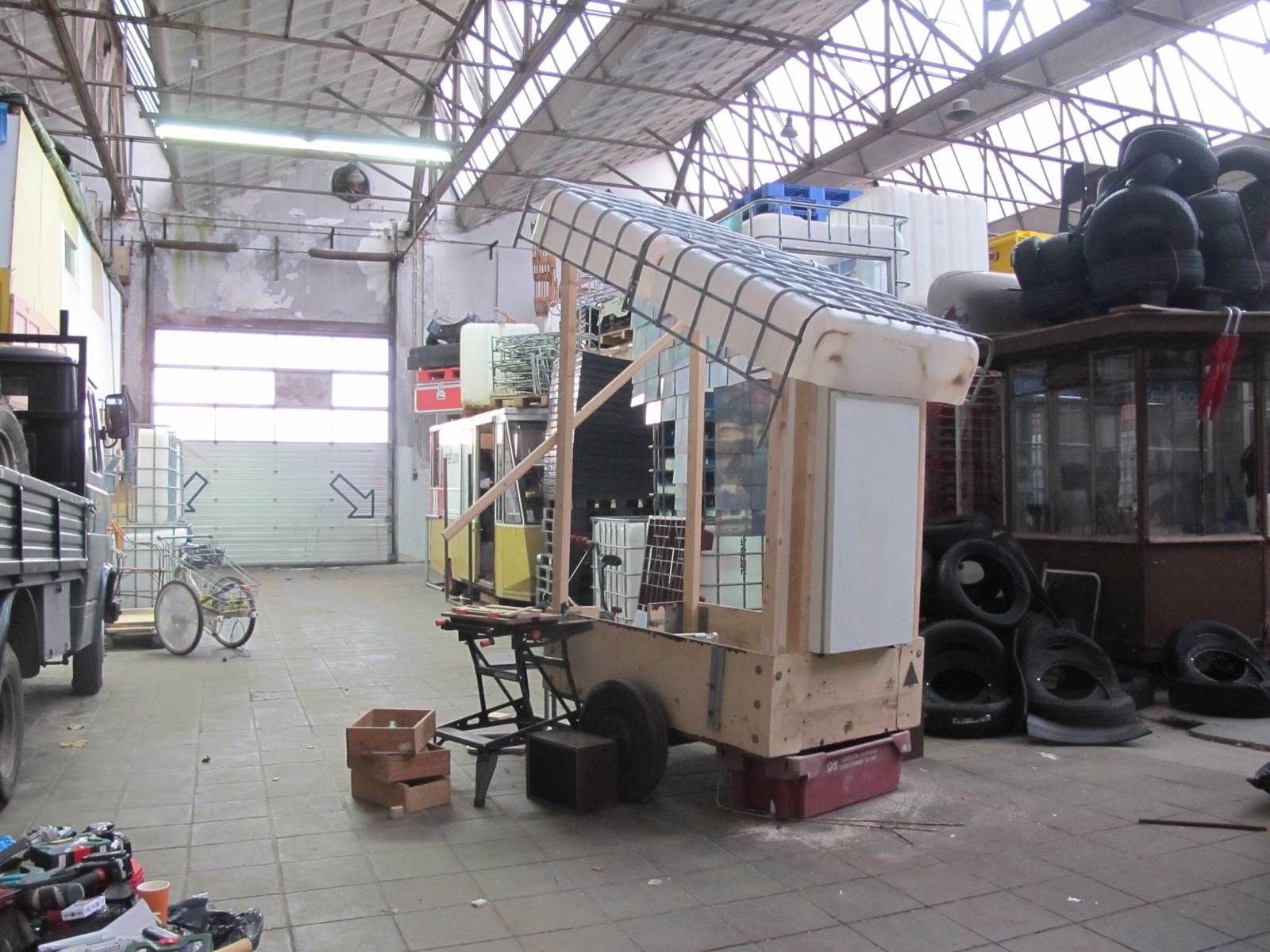
You start from material, and from something to start it on. A pallet will do: that is already mobile, you can get a jack under it and move the whole house. On a trailer it is properly mobile: it drives off at the end of the day and it keeps going.
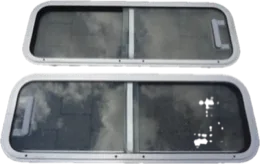
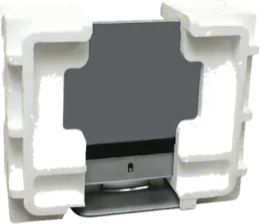
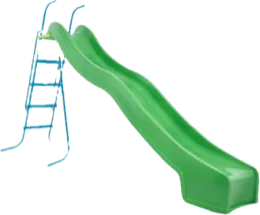
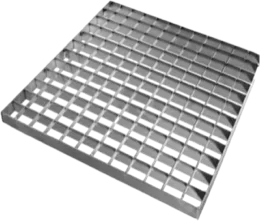
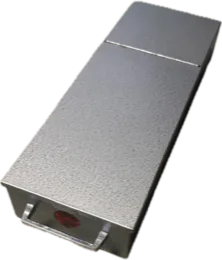
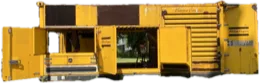
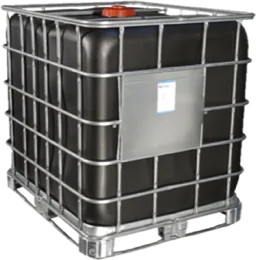
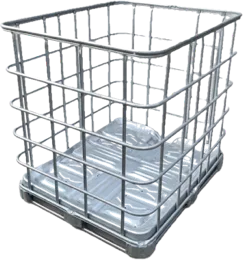
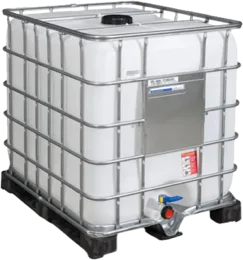
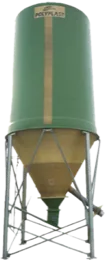
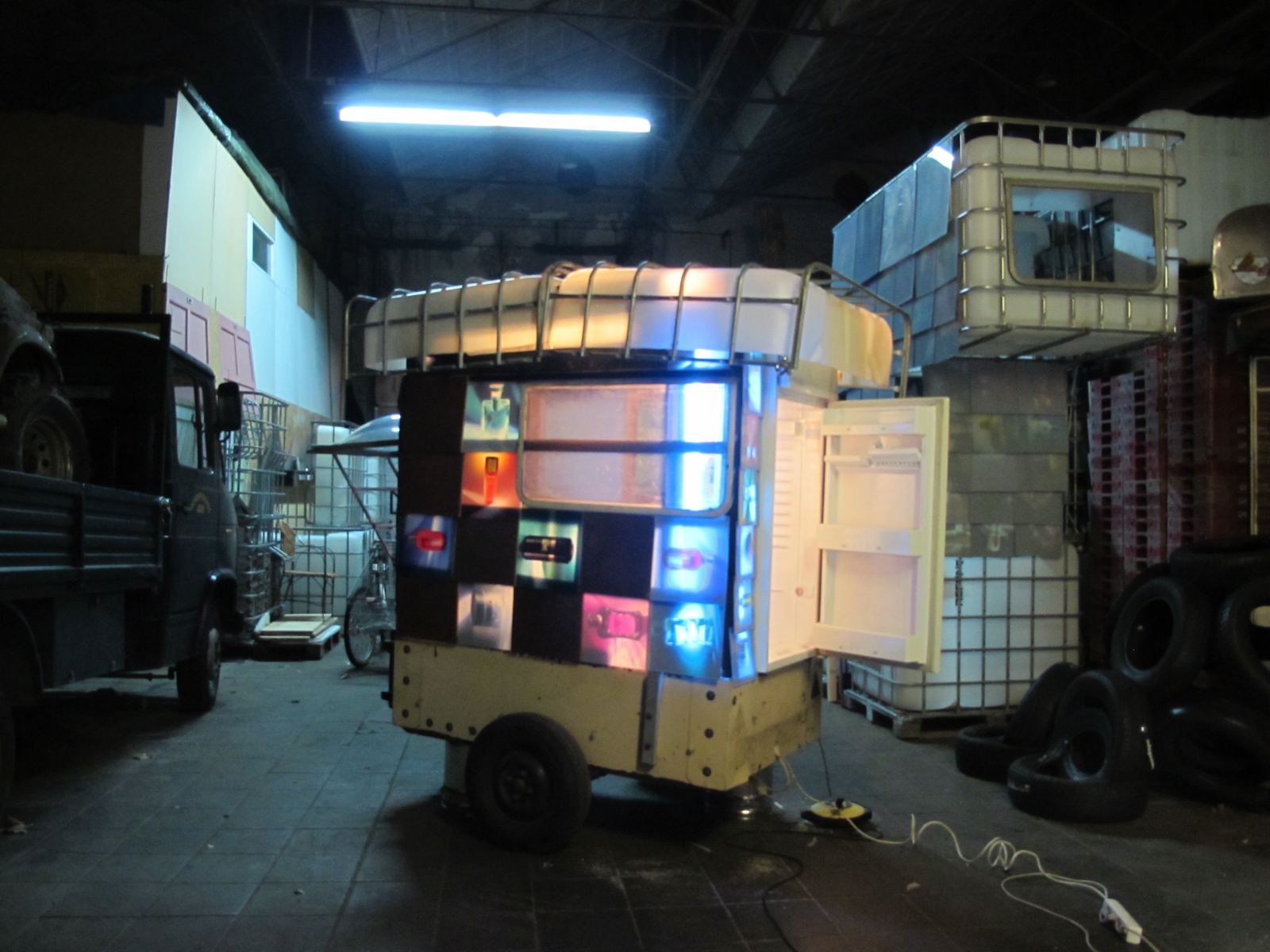
The rest is whatever the city put out: IBC tanks, a fridge door, pallet wood, tyres, a sheet of shop window. Nothing is bought and nothing is cut to a drawing; the material decides what the house becomes. By the end of the day it has a floor, a roof, a window that opens, and it stands on its own wheels.
What you learn
- Looking
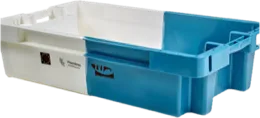
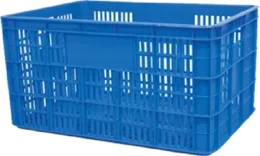
- You are not looking at a thing, you are looking at a part. A crate on the pavement stops being a crate somewhere between the street and the trailer, and the whole day depends on how early that happens.
- Building
- How a structure carries itself, and how far you can push a material before it tells you it has had enough.
- Joining
- Connecting things that were never meant to meet. A steel cage against a plastic tank against a plank: every pair needs its own answer.
- Shifting functions
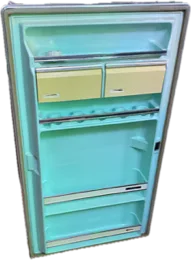
- A fridge door stops being a fridge door. It is a wall panel with a window in it, insulated, hinged, and already the right size.
- Harvesting
- Where material comes from. How to see it before it is waste, how to get it out, and what it costs you to move it.
How a day works
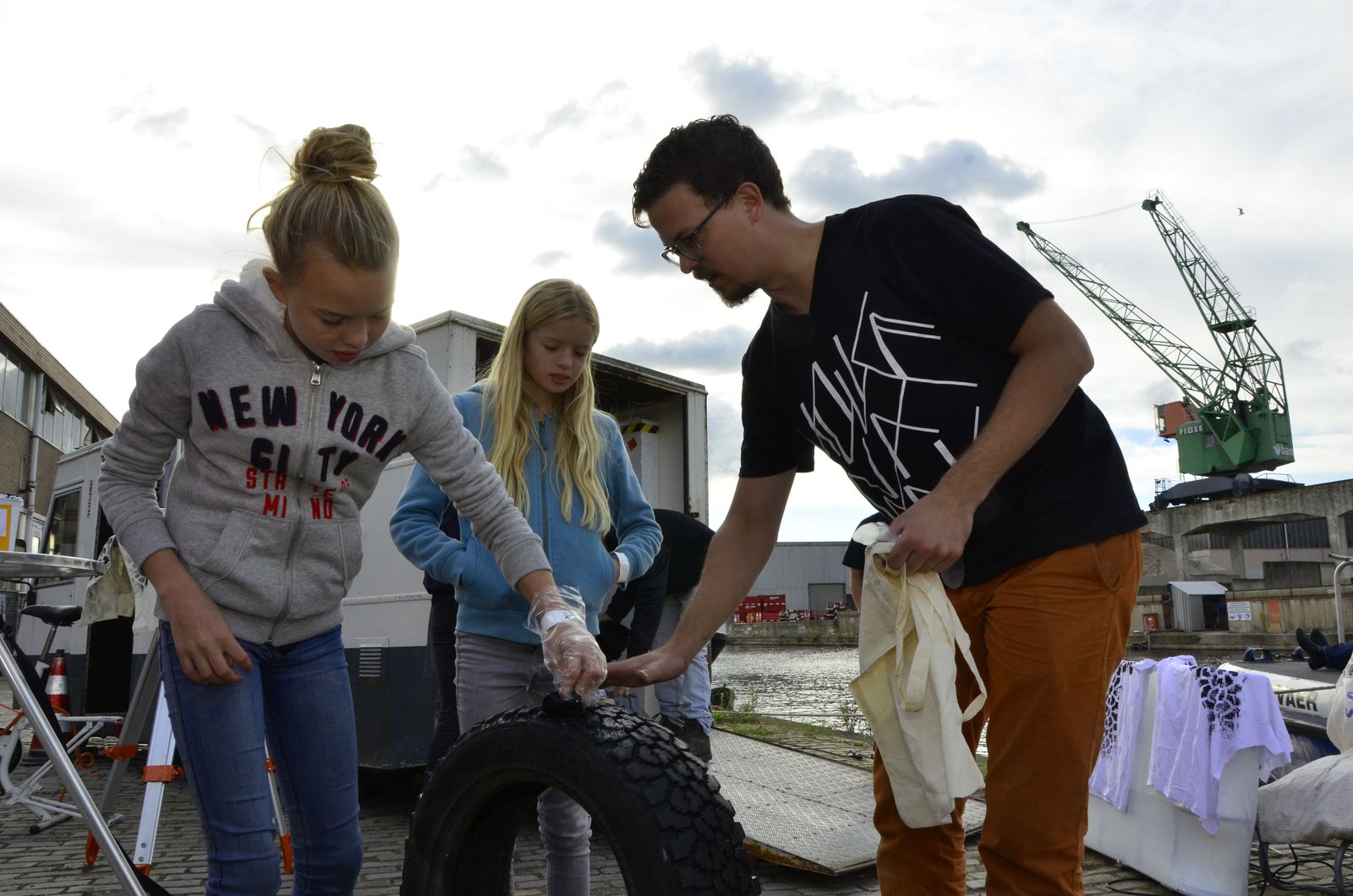
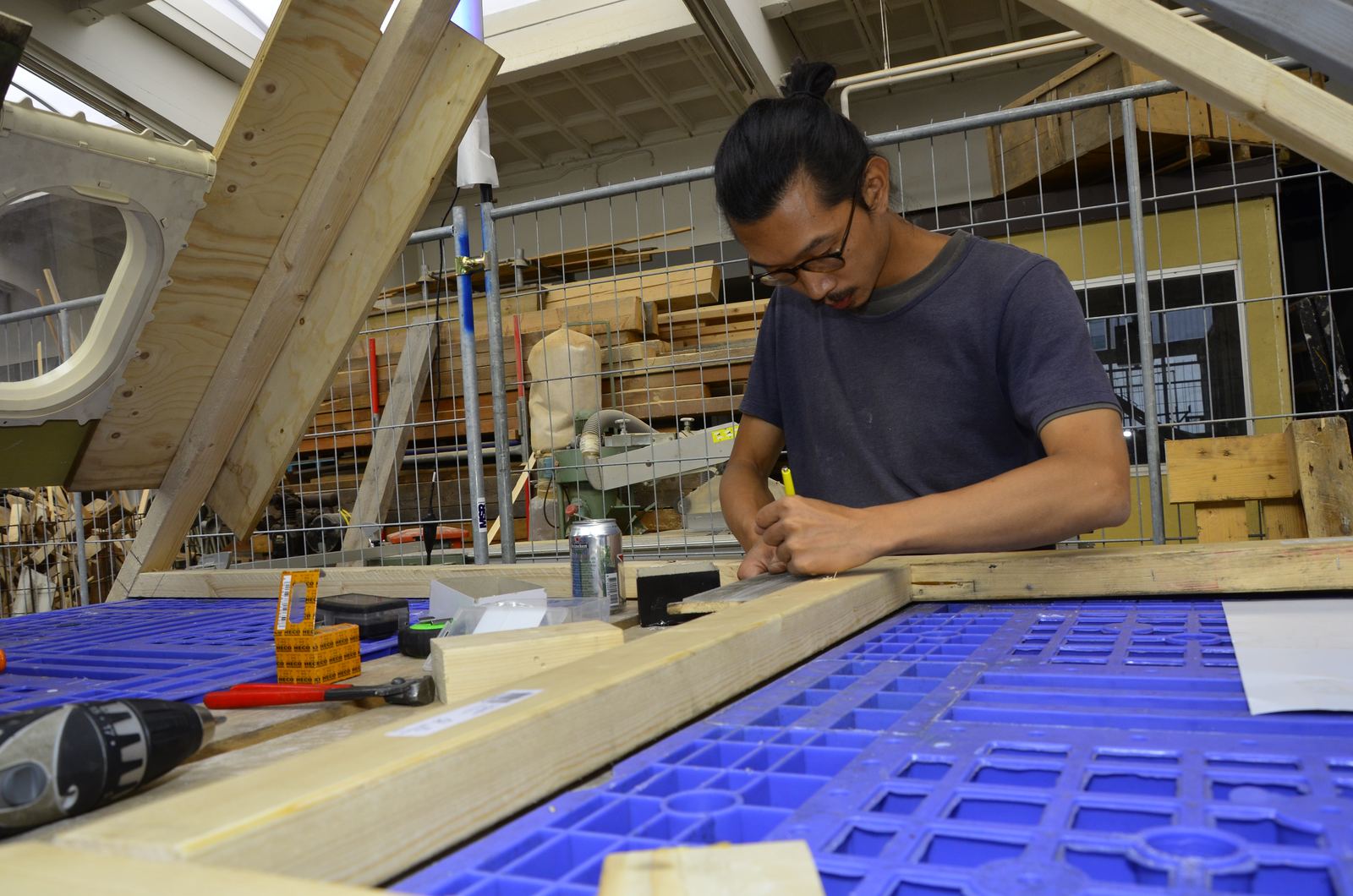
You work in teams, guided by Refunc. The material is there when you arrive, the trailer is empty, and the day ends when the house rolls. No experience needed: the making teaches it.
What the day is really doing is putting people and material back in the same room. Most of what you build with passed through a hundred hands before it reached the kerb, and none of those hands were yours. By the afternoon you know how heavy a full IBC cage is, which side of a pallet gives way first, and how a plank behaves under a screw that is one size too big, and that knowledge is the part of the day that goes home with you.