


















The question
Since 2006 Refunc's design laboratory in The Hague and Berlin has been asking one question about every material it finds:
What else can this be?
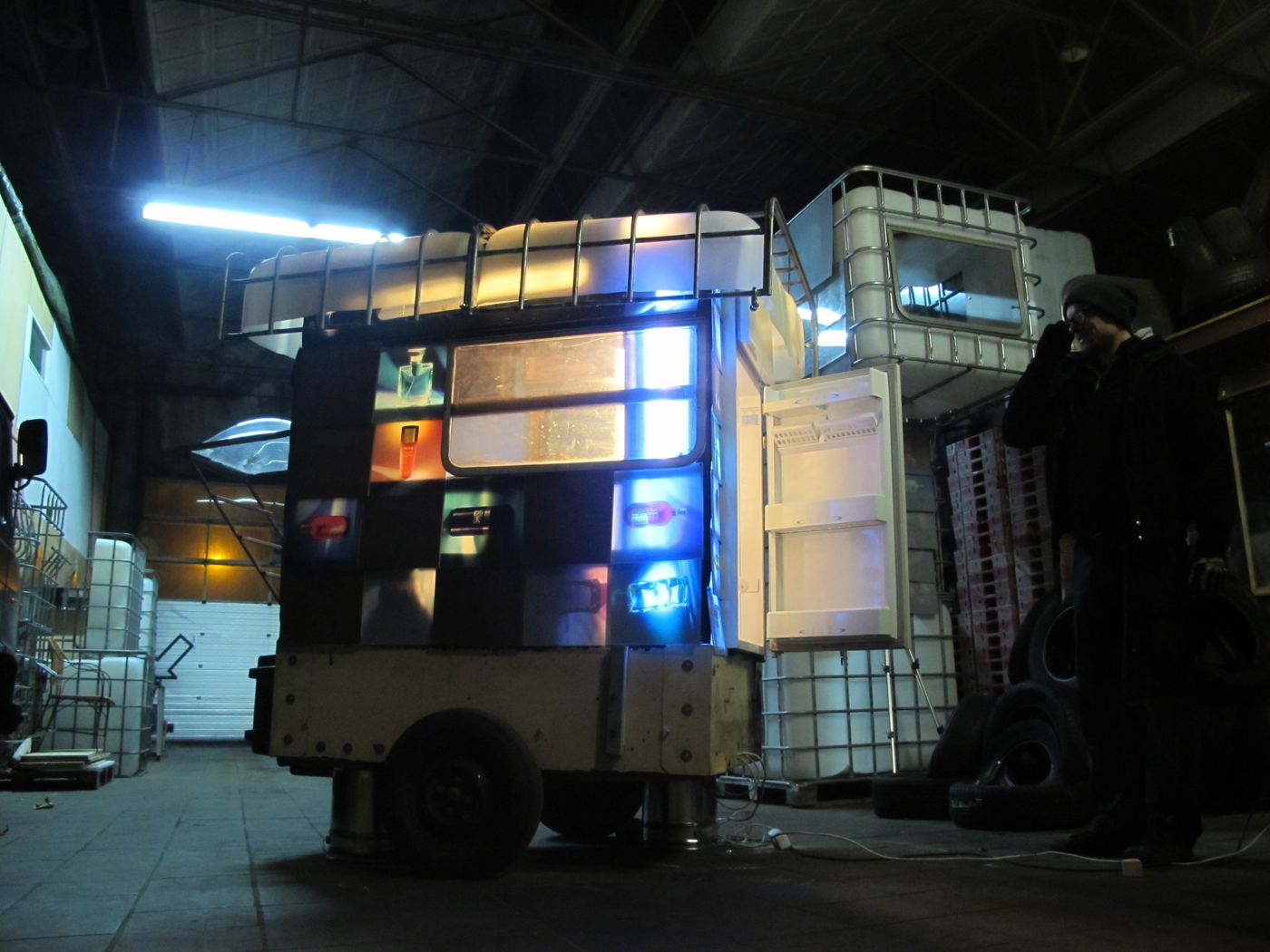
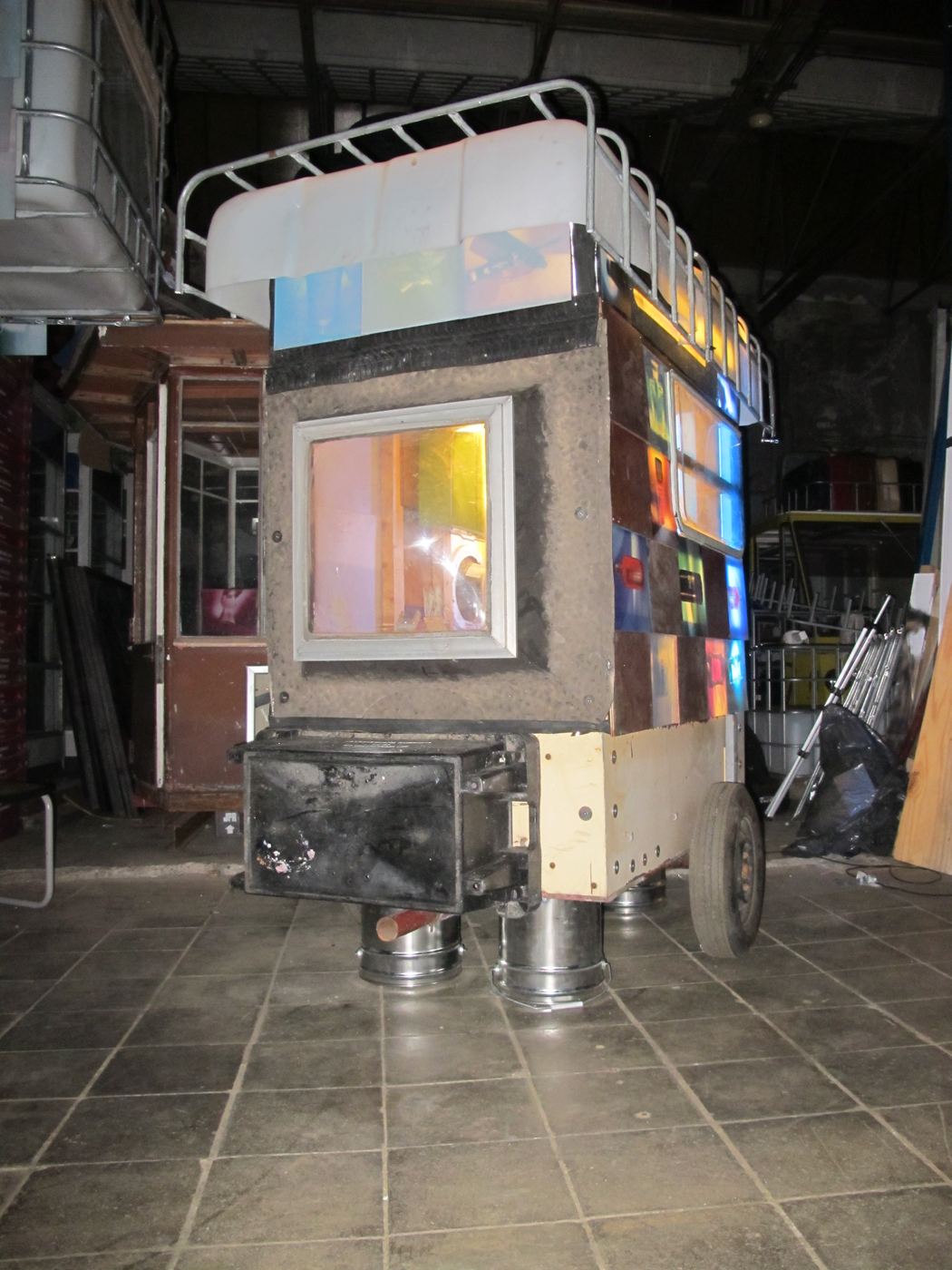
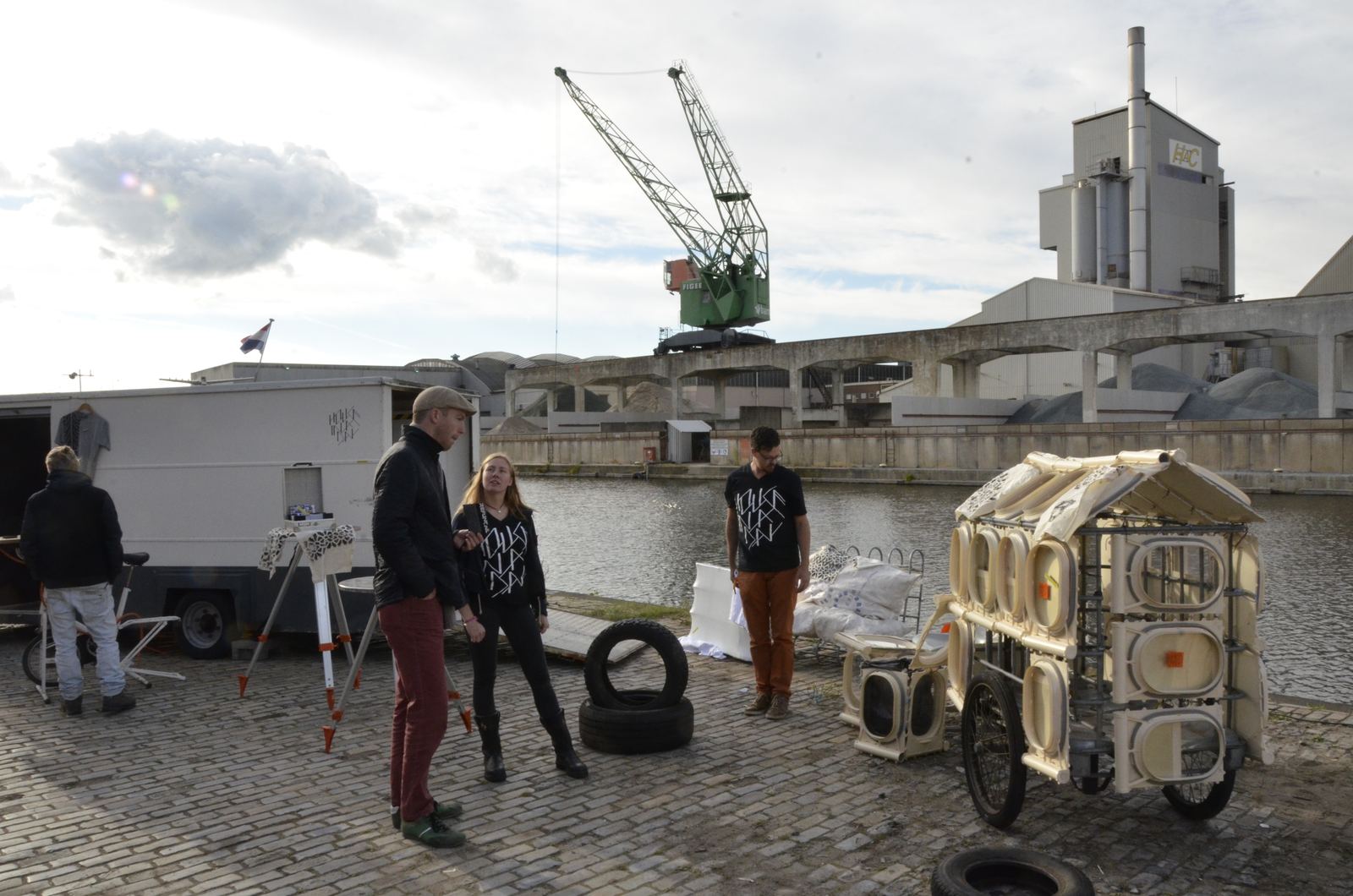
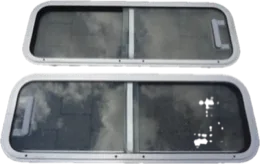
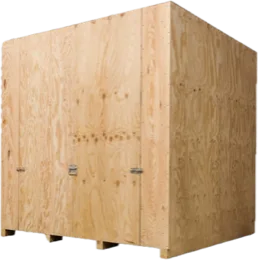
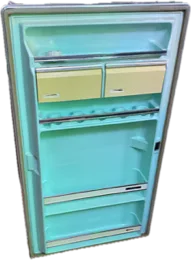
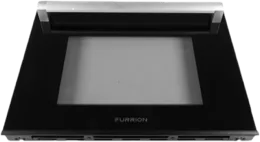
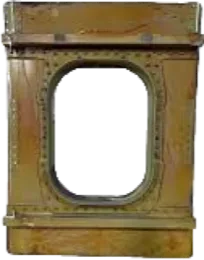
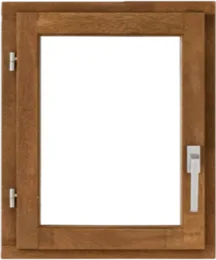
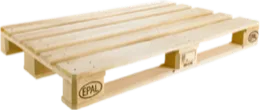
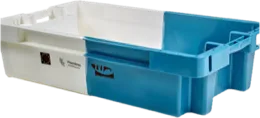
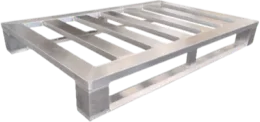
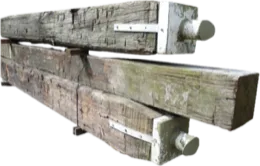
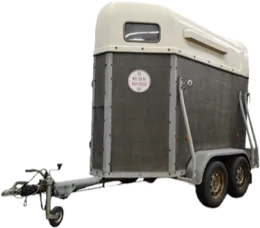
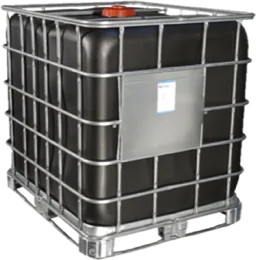
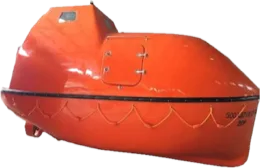
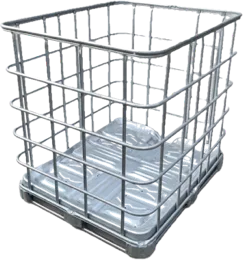
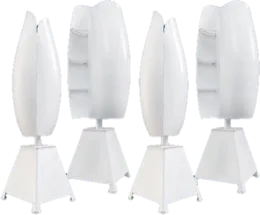
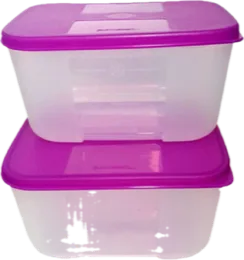
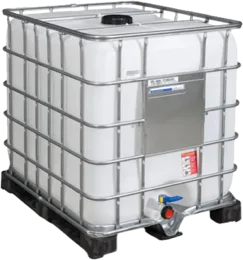
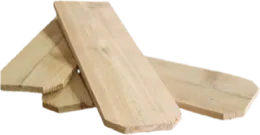
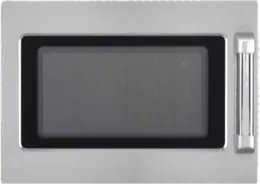
House in a Day is that question run at full speed, in public, with whoever showed up that morning. A trailer arrives empty. By evening a fridge door is a window panel, an IBC cage is a wall, a heap of pallet wood is a roof, and the answer, a house, on wheels, lit from inside, is standing in front of the people who found it out. The day does not slow the question down; it compresses years of the same argument into one afternoon, so the argument can be watched happening rather than read about afterwards.
The material behind that question is not folklore: it is kept, a running matrix of materials against the verbs they have been asked to perform, built up project by project since 2006. It is called the periodic system, and it is browsable, not theoretical. House in a Day is one row of it, built at full scale, in a day.
Screwed, not glued
Nothing you build here is a final state. Every part arrived from an earlier use and is on its way to a later one, so you build it to come apart again: screwed rather than glued, clamped rather than welded. The house is one afternoon in a much longer life of the material.
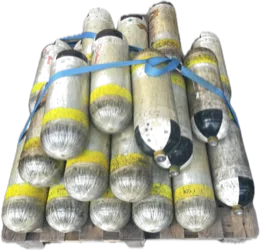
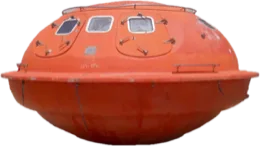
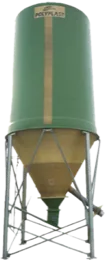
Which is why nothing here gets disguised. The tank stays a tank: original colour, printed markings, the scratches and the wear left exactly as they were found. Nothing is repainted, nothing is sanded back to something neutral, and nothing is made to look old on purpose. It is cut and bolted, and it goes on saying out loud where it came from.
So the question in front of a heap of material is never what is this made of. It is what can this, as it is, be asked to do next. Functions are verbs: to carry, to close, to keep the rain out, to sit on, and a verb can be answered by almost anything that happens to be standing there. Waste is simply a resource that has not been asked yet.
The same day, after dark
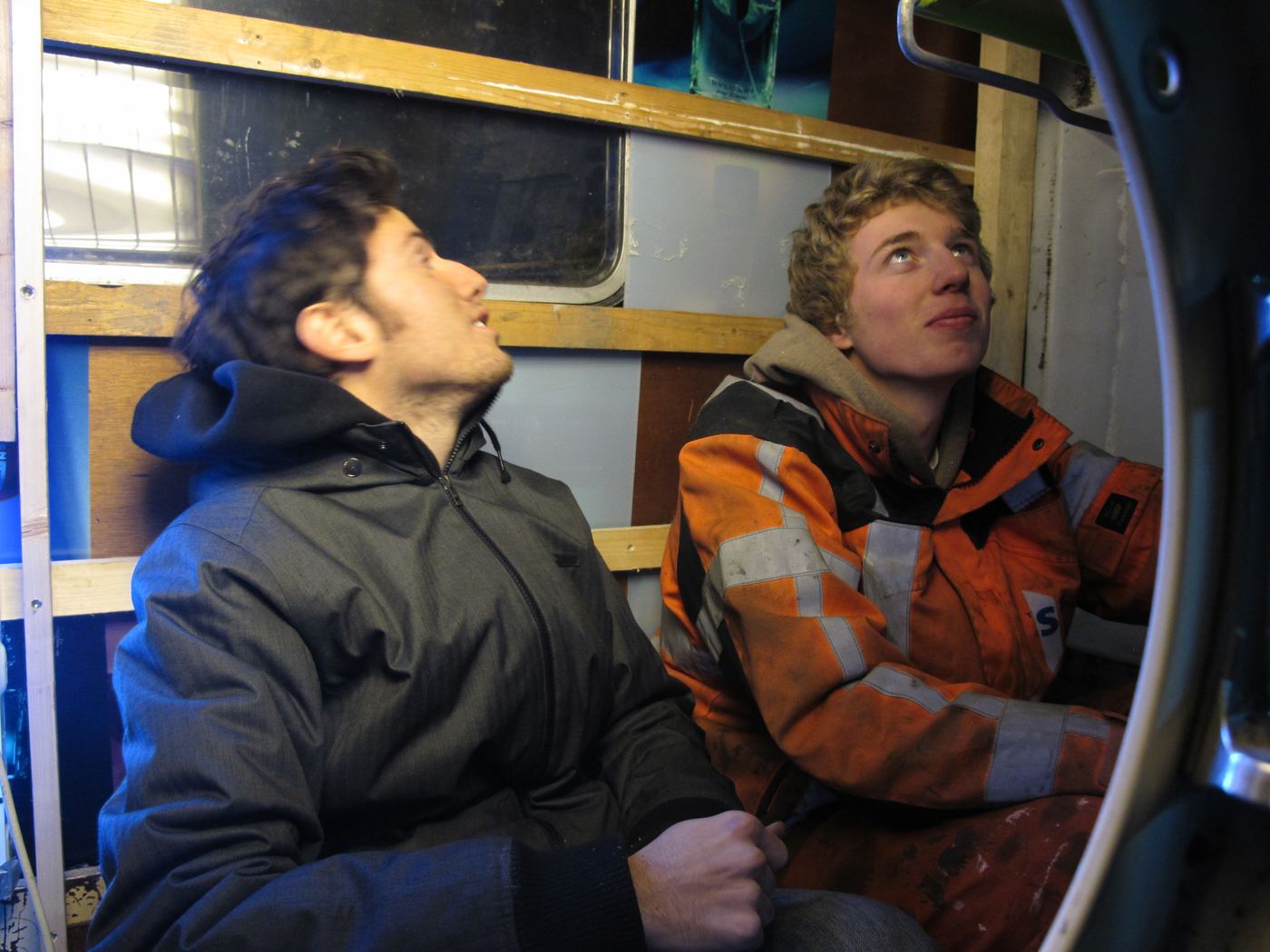
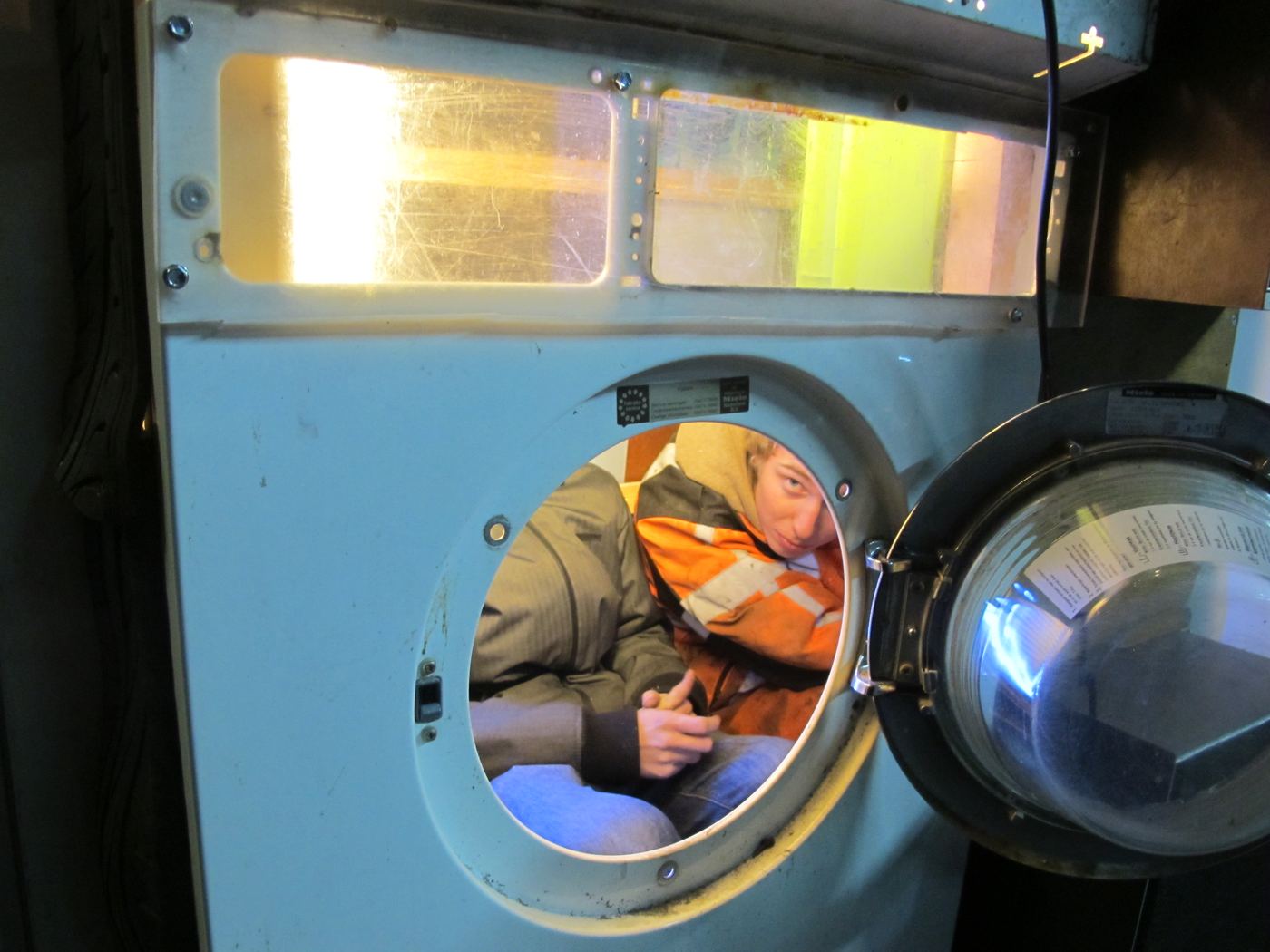
The last photographs of that first day were taken between half past seven and ten to eight in the evening. The house is finished, everyone is inside it, and the panels that were fridge doors in the morning are lit from within.